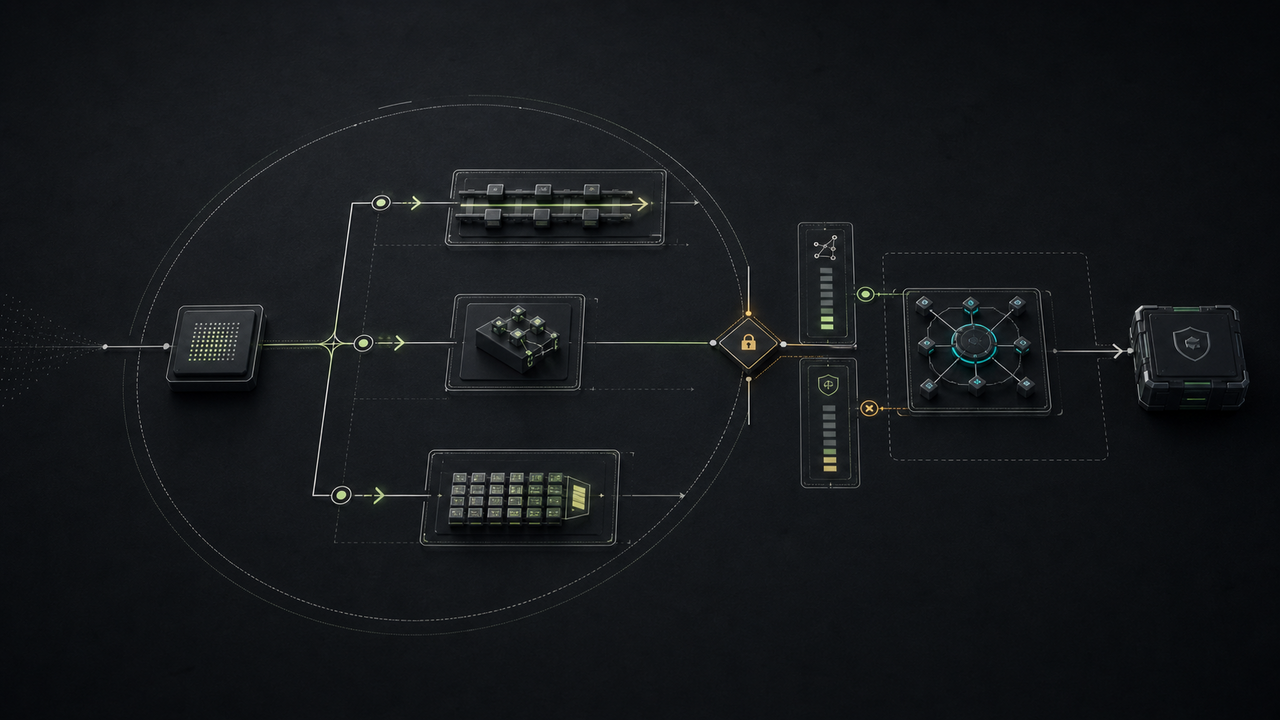
Casual customer conversation with a project manager, developers and stakeholders at a workshop table

Service formats

Services

Every engagement starts with a concrete next step.

LatentDrift packages specialized AI system work into clear service formats. The right starting point is an AI system check, an architecture sprint or a pilot implementation. Each format draws on the same specialized system components: agentic systems, evidence layer, knowledge space, real-time interaction layer and control room. What changes is the goal: a decision, an operating specification or a runnable component with a review trail.

  • AI system check
  • Architecture sprint
  • Pilot implementation

Formats

What the work produces.

The three formats keep scope and outcome tied together. They produce tangible artifacts: a decision map, an operating specification or a working component. The right format depends on where the first uncertainty lies: decision, architecture or technical viability.

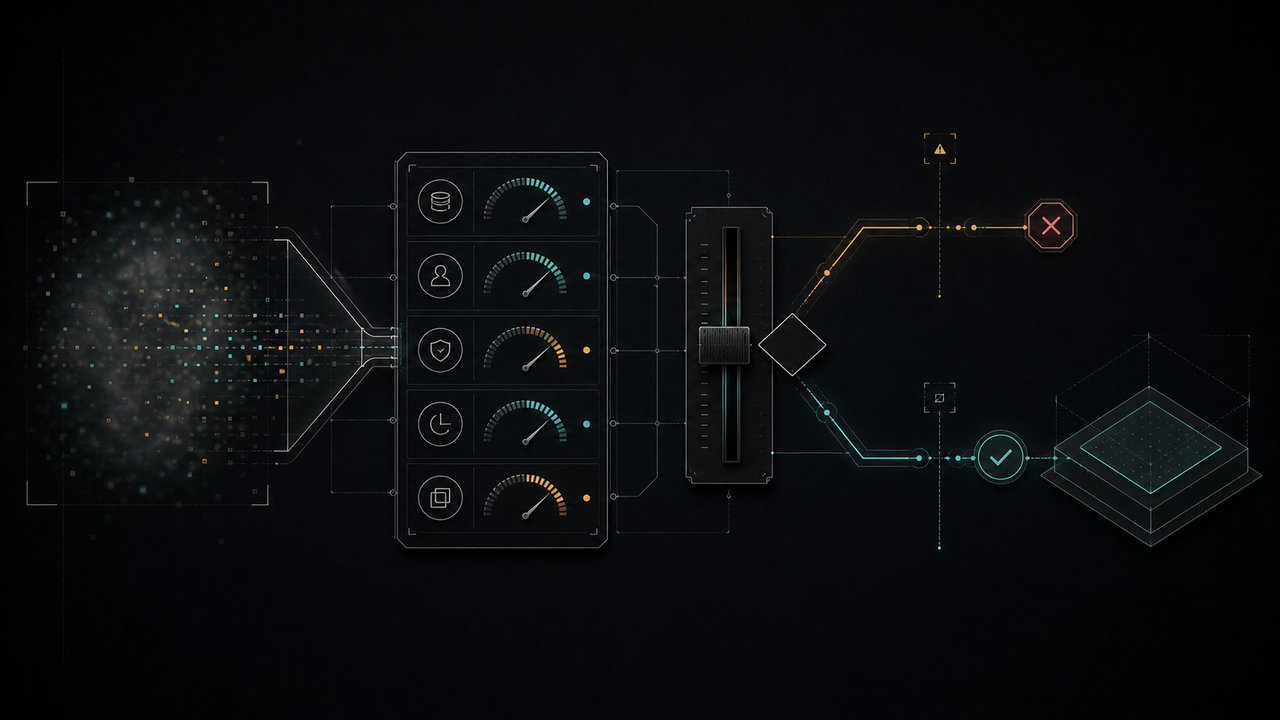
Dark decision map with unclear use case, assessment gauges for data, rights, latency and explanation needs, stop-go path and gap markers
Decision first

AI system check

For initiatives where the use case is still too broad, risky or unclear. We assess data status, user decision, permissions, latency, explanation needs and technical leverage within the LatentDrift portfolio. The result is a short decision map with stop/go criteria, a recommended system component and the gaps to close before implementation.
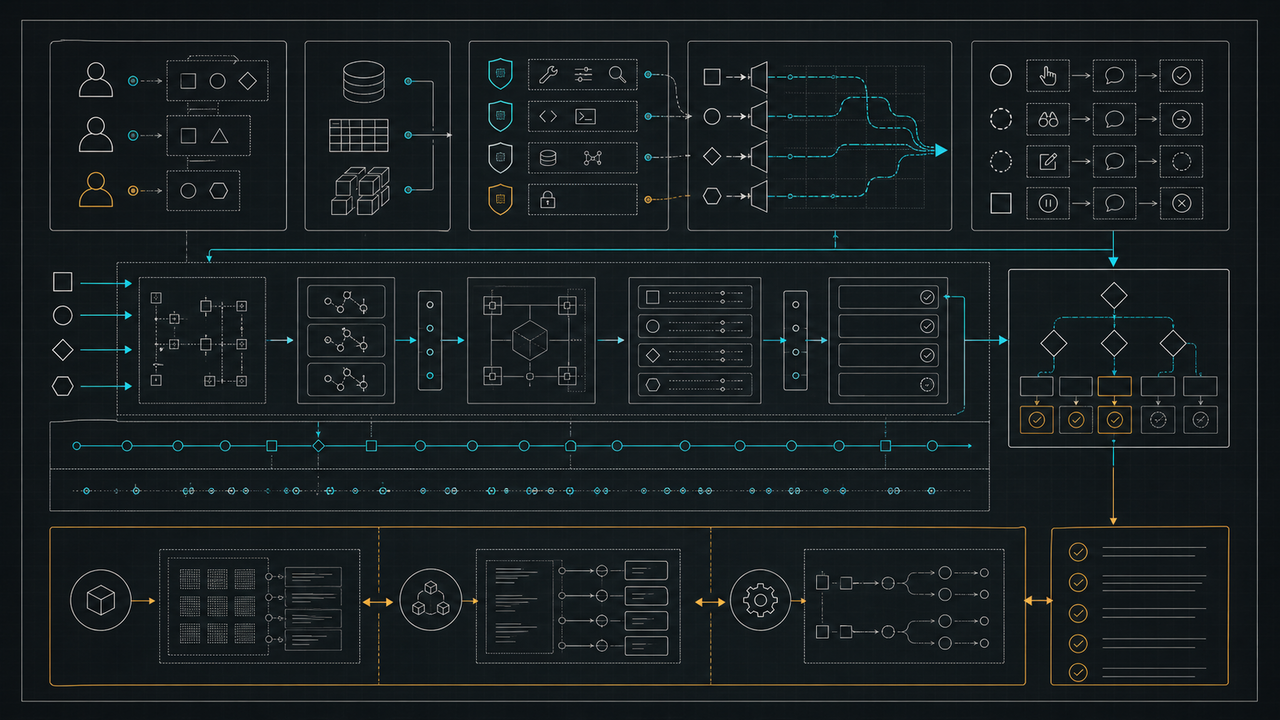
Dark system blueprint with role, memory, tool-permission, data-flow, trace, evaluation, handover and acceptance points
System design

Architecture sprint

For initiatives with a clear direction, we first create the operating specification that makes implementation viable. We define roles, memory, tool permissions, data flows, interaction states, trace events, evaluation logic, handover and acceptance criteria. The result aligns product, domain and operations around the same reviewable decisions.

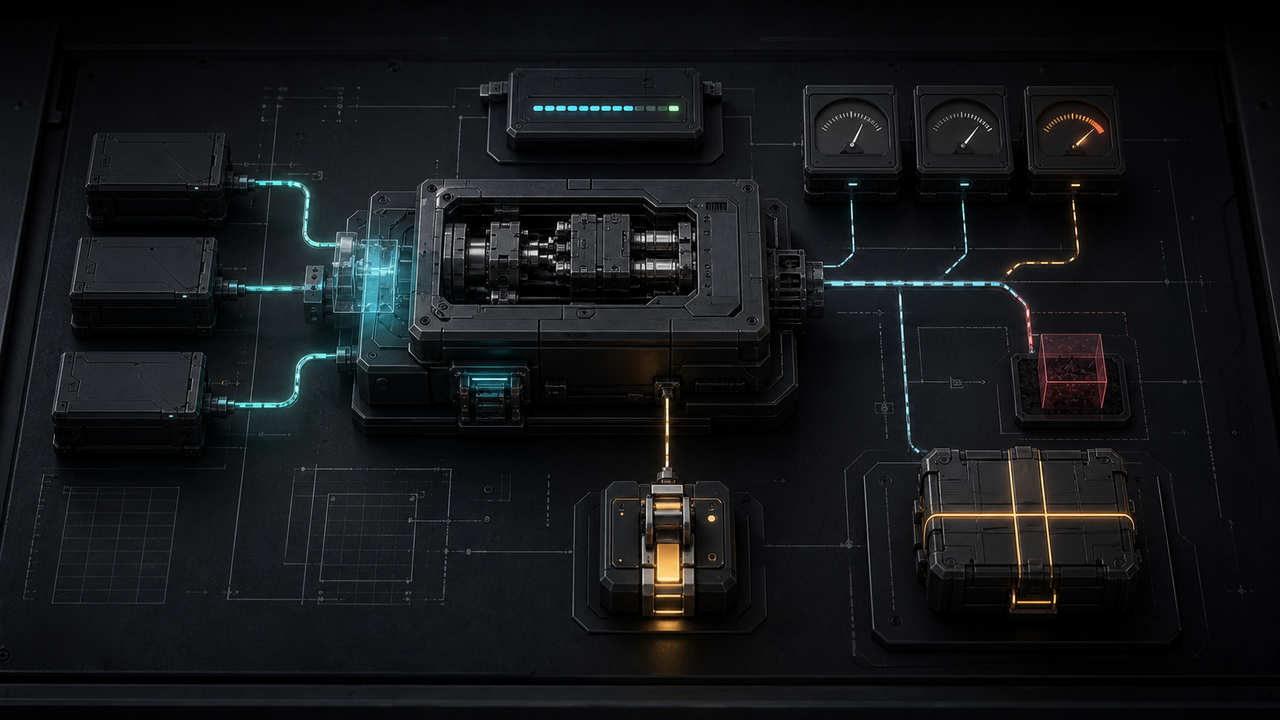
Dark pilot implementation test rig with run state, source chamber, metrics, failure branch, approval latch and handover package
Build and handover

Pilot implementation

For a real decision or interaction we build a bounded system component: agentic operating layer, evidence layer, knowledge space, real-time interface or control room. The implementation makes both the surface and the execution path visible: run state, sources, metrics, failure paths, human approvals and a handover package for the next build step.

Artifacts

What needs to be clear at the end.

Each LatentDrift system component delivers more than a demonstration: decision map, operating specification, evidence log, evaluation set, trace schema, release rules and handover package. These artifacts make the method repeatable while still letting the client change models, data sources, interfaces and approvals later without reconstructing the system logic from scratch.

Decision map

Which users act, which data they need, which failures are critical and what level of quality is sufficient for the first useful deployment. The map shows which decision the system really improves and which expectations need more validation. It also records which explanation is useful for the domain team, operations, audit or affected users.

  • Users and data
  • Critical failures
  • First-use quality
  • Role explanation

Operating specification

State, memory rules, tool access, agentic operating layer, model routing, interface behavior and human interventions are made explicit. A later model, data or UI change can then be evaluated without reconstructing the logic from conversations. It also defines which events are logged and which outputs need source links or decision rules.

  • State and memory
  • Tool access
  • Interface behavior
  • Logged events

Handover package

Tests, traces, open decisions and operating notes show how the system can be extended or constrained later. The package includes typical inputs, expected system states, known failure modes, review paths and follow-up build decisions. It also shows which parts are close to production and where an experiment, approval or domain decision is still missing.

  • Typical inputs
  • Known failure modes
  • Review paths
  • Next build decisions

System components

What the formats are built from.

The components combine repeatable structure with client-specific adaptation. An agentic operating layer, real-time interaction layer or evidence/control room brings interfaces and review questions. Data rights, domain roles, risk, UI and operating model are tailored to each client.

Agentic Operating Layer

A standardized orchestration and operating layer for specialized agents that combines roles, routing, direct or latent state handoffs, retrieval, KV/cache strategies and human approvals. It is adapted to each organization, but always designed for coordinated agent work with analyzable runs: who plans, who acts, who reviews, which message is binding and when a run is reset.

  • Who plans
  • Who acts
  • Who reviews
  • When to reset

Real-time Interaction Layer

An interaction layer that connects speech, context, reaction, visual output and safety rules. An avatar can sit on top when presence genuinely fits the workflow. First we standardize dialogue state, turn-taking, interruption, consent, handover and auditability; the presentation layer follows from that.

  • Dialogue state
  • Turn-taking
  • Interruption
  • Handover evidence

Explainability and Control Room

A review and operations view for AI systems: quality, cost, latency, tool success, sources, memory usage, explanations and human corrections become visible. LatentDrift brings a repeatable control-room pattern that receives different metrics, roles, approvals, release rules and reset points depending on the domain.

  • Quality and cost
  • Sources and memory
  • Human corrections
  • Release rules

Pragmatism

Good system work chooses the right lever.

Good system work identifies the smallest viable lever. Sometimes a clear workflow, a smaller model, a better data structure or classic software is enough. Our system components are therefore modular: they can start small, grow later or intentionally stay reduced. More agents are progress when their operating layer makes the process measurably more stable and creates a better evidence trail.

  • Clear success criteria
  • Open portability
  • Transferability over dependency
Technical scope board comparing workflow, smaller model, data-structure and gated agentic operating paths

Choose the entry point

Which decision should improve?

A short email with the decision, data sources, user roles, boundaries and one example output is enough. We identify whether an AI system check, architecture sprint or pilot implementation is the strongest entry point.

Share a case