Casual workshop team planning system handover and working model at a dark project table

Working Model

Working Model

Research becomes valuable once it is built as a reviewable system.

LatentDrift works like a specialized engineering studio for a focused set of AI systems. New research becomes operating specifications, test cases, interfaces and handover artifacts. Each engagement starts with a clear step: AI system check, architecture sprint or a bounded system component with a review trail.

  • Research transfer
  • AI system engineering
  • Handover

Working method

Connect research, engineering and operations.

Relevant problems rarely fit one discipline. Latent agents, agentic system architecture and real-time interfaces need research expertise, engineering, UX and operations in one design. We combine standardized system components such as agentic systems, evidence layers, knowledge spaces and real-time interaction layers. They are reusable while remaining adaptable to the client's data rights, roles, risks and operating model. That combination gives each engagement a clear shape: scope, deliverable, review trail and handover.

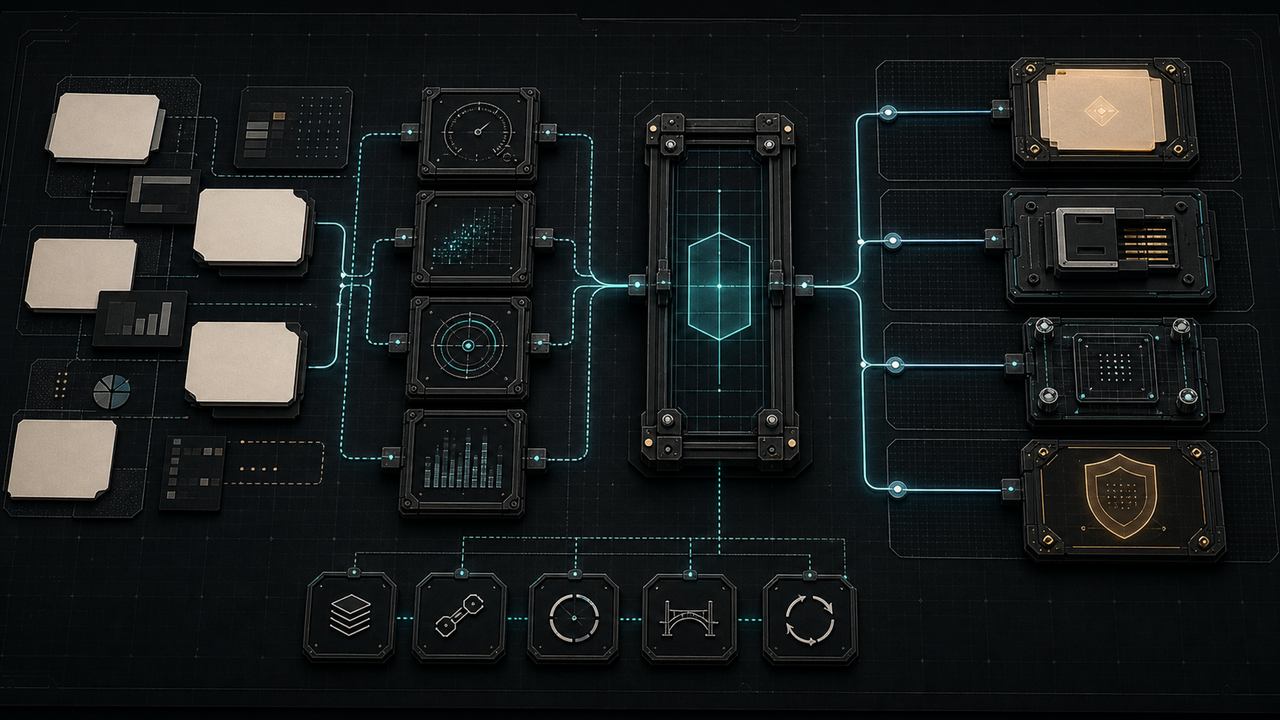
Dark research translation bench with method fragments, measurement gate, decision artifact, interface port, test fixture, operating boundary and orchestration checkpoints
Evidence

Research in system decisions

We read new methods as material for resilient building patterns: what is reproducible, measurable and useful to integrate into our portfolio? For multi-agent systems we check whether the operating layer controls context, tools, scheduling, direct or latent communication and recovery well enough to become a repeatable project component. Research counts once it has been translated into decision, interface, test case and operating boundary.
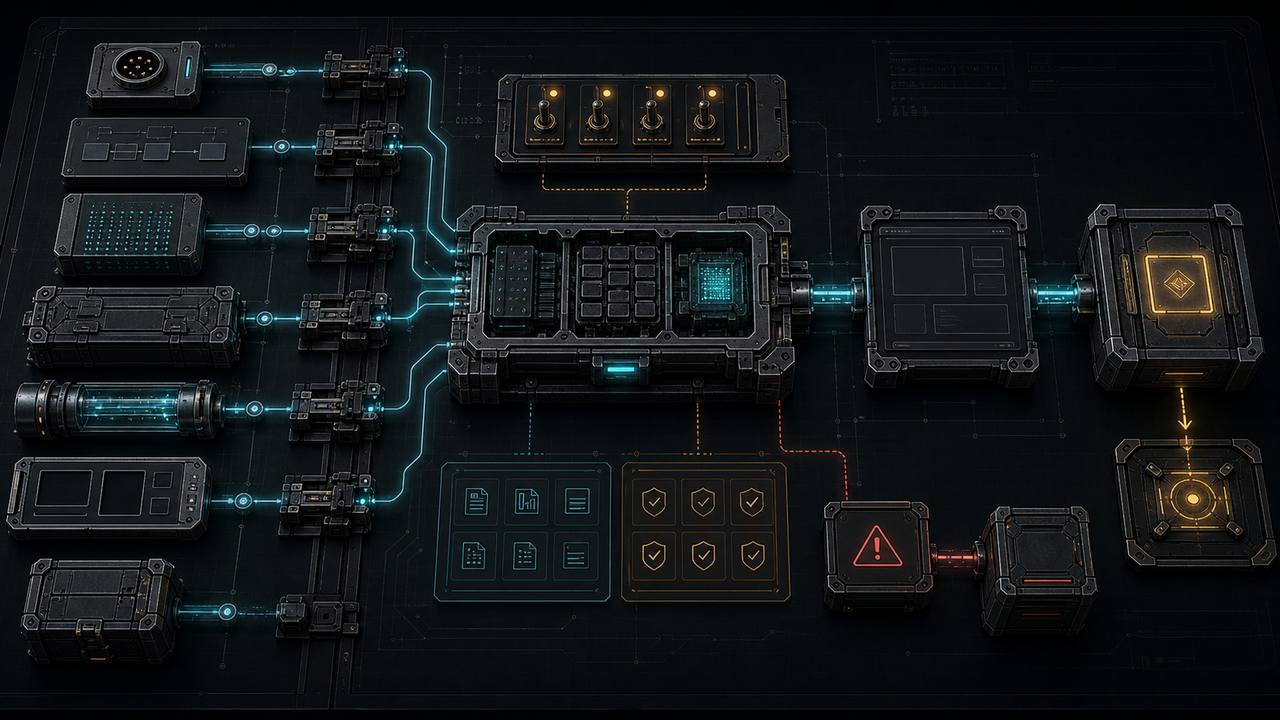
Dark engineering assembly line with API socket, data-model plate, inference module, agentic operating layer, streaming path, failure branch, feature flags and handover point
Build

AI system engineering

APIs, data models, inference, agentic operating layer, streaming, frontend and deployment preparation are built so teams can continue the work. The code expresses the selected system component: state, rules, evidence, failure paths, feature flags and handover points as one coherent execution path.

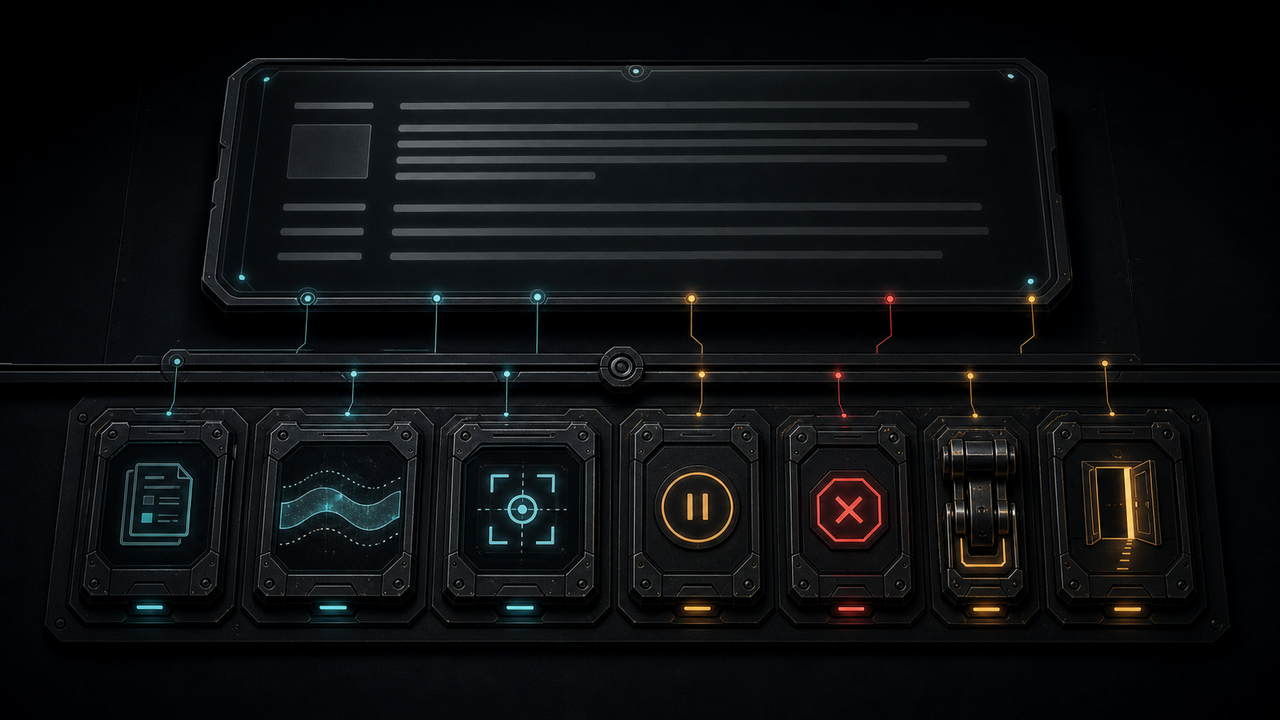
Dark responsibility interface with answer surface, source anchor, uncertainty band, intervention target, waiting state, cancel control, approval latch and handover exit
Use

Use and responsibility

People need sources, uncertainty, intervention points and clear reactions. That applies to cockpits as much as avatar-based use cases. Experience work means making responsibility visible in the interface: status, source, waiting state, interruption, approval and handover should not disappear behind a smooth answer.

Collaboration

Make decisions visible.

We structure work so domain decisions, technical risks and visible increments converge into one delivery stream. Repeatable system components provide a proven structure; the concrete shape remains tied to the client's data, roles, operations and responsibility model. That is the standard created by specialization: repeatable enough for speed, open enough for real client needs.

Decision log

Architecture decisions, assumptions, open questions and rejected paths are recorded so the system remains understandable later. The log prevents repeated debates and shows which compromises were accepted deliberately: model choice, data access, memory scope, latency budget, review point or intentional stop.

  • Record assumptions
  • Rejected paths
  • Accepted tradeoffs
  • Intentional stop

Testable increments

Each step should answer a real system question: data access, agent behavior, operating-layer control, interface reaction, latency or review path. An increment proves that the component works in the concrete environment: with verifiable evidence, reliable limits and a usable surface.

  • Real system question
  • Agent behavior
  • Interface reaction
  • Reliable limits

Handover as part of the work

Documentation, tests, operating notes and open decisions are created during the project and are useful before the last presentation. That keeps the work transferable when models, data sources or product priorities later change. Handover includes typical runs, known failure cases, state diagrams, the next decision and the repository.

  • During the project
  • Typical runs
  • Known failures
  • Next decision

Why LatentDrift

Make latent state controllable.

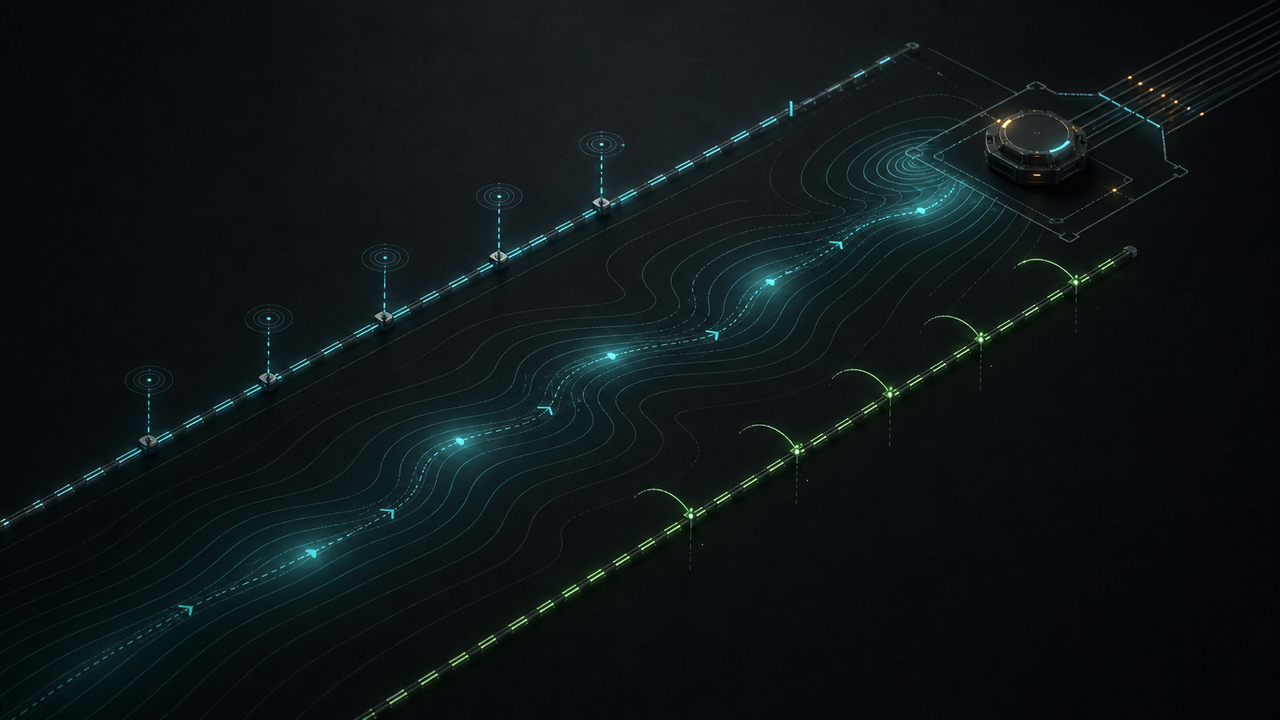
Many modern AI systems operate in representations, states and probability spaces that are only indirectly visible. LatentDrift stands for the ability to read that movement, steer it and translate it into controllable AI systems. Practically, that means measuring and bounding drift and explaining it where people need to make decisions. That standard creates concrete deliverables: orchestration rules, evidence layers, real-time state models and handover packages.

  • Understand latent state
  • Measure drift
  • Make systems controllable
Calibration surface for latent state with drift corridor, boundary rails, evidence taps, orchestration rules and handover dock

Share a concrete case

Where must the system hold up?

A concrete case is enough: who works with it, what data exists, which output would be risky, which latency matters and what must stay attributable later? From there we can see which boundary should be designed, tested or automated first.

Send a case